Tattoo Removal Cream vs Laser Treatment: Cost, Results, and Risks Explained
Published on
May 13, 2026
Contributors

Elliott Booth
Owner
Want to remove an unwanted tattoo? Maybe it was a spontaneous holiday decision or simply an artwork that no longer reflects who you are today. Whatever the reason may be, many people start searching for tattoo removal options and end up wondering, tattoo removal cream vs laser treatment, which option should I choose?
At first glance, creams may look tempting, but they are cheaper upfront and promise fading without clinic visits, but real-world results don’t often match. On the other hand, laser tattoo removal has become the gold standard for removing unwanted tattoos.
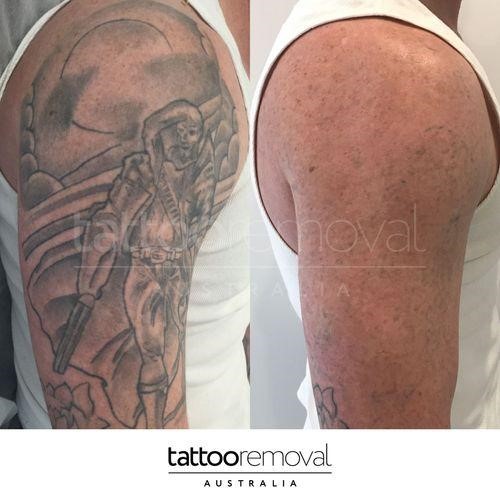
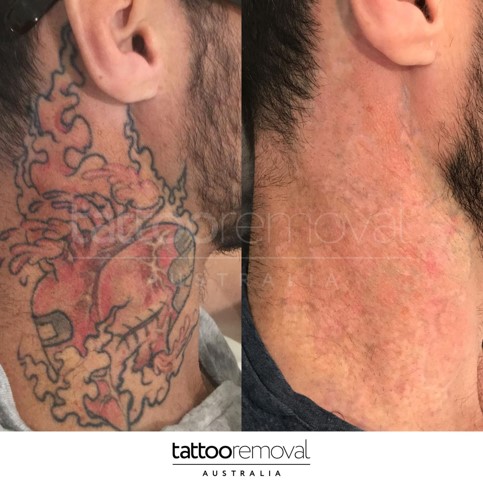
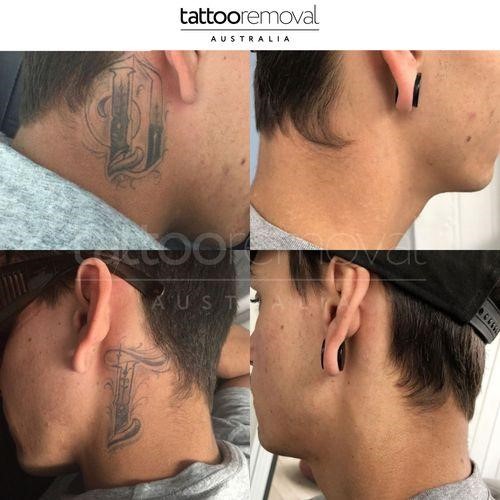
At Tattoo Removal Australia, our specialists use advanced laser technologies to target tattoo pigment beneath the skin rather than just on the surface. Check our tattoo removal process here.
So, when comparing tattoo removal cream vs laser treatment, which one actually works? Let’s break down the key differences, including the risks, costs, and realistic expectations.
Guide to Tattoo Removal Cream vs Laser Treatment: Which Option Really Works Best
How Does Tattoo Removal Cream Work?
Tattoo removal creams are usually marketed as topical products that claim to fade tattoo ink over time. Most contain ingredients intended to exfoliate or bleach the skin.
But the truth is, tattoo ink doesn’t sit on the surface. They are placed within the dermis layer of the skin. Creams typically affect only the outermost layer, resulting in little to no fading even after months of use.
Claims made by tattoo removal creams:
- Gradual tattoo fading
- Painless removal
- Affordable alternative to lasers
- Safe at-home treatment
- Suitable for all tattoo colours
It may sound convincing, but dermatology professionals often point out that there’s limited scientific evidence proving these creams can fully remove tattoos.
Some people may notice slight lightening, especially on older or already faded tattoos. But complete removal is seen rarely.
How Laser Tattoo Removal Actually Works
Unlike tattoo removal creams that target the skin’s surface, laser technology penetrates deeper into the skin to break down tattoo pigment into tiny particles, which are gradually flushed out by the body’s immune system.
Laser treatment can effectively target:
- Black ink tattoos
- Coloured tattoos
- Cosmetic tattoos
- Eyebrow tattoos
- Amateur tattoos
- Professional multi-layer tattoos
However, results may vary depending on ink depth, colour, skin tone, and tattoo age, but laser technology consistently delivers far better outcomes than creams.
Tattoo Removal Cream vs Laser Treatment: Key Differences Explained
Still confused about tattoo removal cream vs laser treatment? Here are the key differences to help you choose the best treatment possible.
1. Tattoo Removal Cream vs Laser Treatment: Effectiveness Comparison
When it comes to actual tattoo removal, laser treatment wins by a significant margin.
Tattoo Removal Cream:
- Minimal fading in many cases
- Doesn’t penetrate deeply enough
- Results are unpredictable
- Rarely removes tattoos completely
Laser Treatment:
- Clinically proven method
- Targets deep ink particles
- Significant fading or full removal is possible
- Effective on most tattoo types
If someone is serious about removing visible ink, laser treatment is generally the more realistic option.
2. Tattoo Removal Cream vs Laser Treatment Cost Comparison
Here’s where most people lean towards tattoo removal creams.
- A tattoo removal cream may cost between $8 and $55 AUD per tube, depending on the brand.
- Laser removal sessions, however, can range from hundreds to thousands, depending on tattoo size and the number of sessions required.
Many people spend months, and sometimes years, using multiple creams without making meaningful progress. By the time they switch to laser treatment, they’ve already spent money on ineffective products.
Tattoo Removal Cream vs Laser Treatment: Risks and Side Effects
This is where the discussion between tattoo removal cream vs laser treatment becomes especially important.
Risks of Tattoo Removal Creams
Some creams contain harsh acids or bleaching agents that may irritate the skin.
Potential side effects include:
- Skin burns
- Rashes
- Hyperpigmentation
- Scarring
- Uneven skin tone
- Allergic reactions
A common misconception is that natural creams are safer. Unfortunately, it can trigger irritation depending on skin sensitivity.
Risks of Laser Tattoo Removal
Laser treatment also carries some temporary side effects, but professional tattoo removal clinics minimise risks through proper assessment and aftercare.
Possible side effects include:
- Redness
- Mild swelling
- Temporary blistering
- Skin sensitivity
However, when performed by experienced tattoo removal specialists using advanced laser systems, complications are far less likely.
The Bottom Line
When comparing tattoo removal cream vs laser treatment, the main differences come down to effectiveness, safety, and realistic expectations.
Creams may appear convenient, but they often deliver inconsistent results and can sometimes irritate the skin. Laser treatment remains the most reliable and clinically trusted method for safely and effectively removing unwanted tattoos.
If you are considering laser tattoo removal in Brisbane or Gold Coast and want to work with an experienced professional, Tattoo Removal Australia is here to help. We offer personalised tattoo removal plans tailored to your skin type and tattoo type.
Want to get rid of an old tattoo? Contact us today and take your first step towards achieving clearer skin with confidence. Check our results here.
FAQs About Tattoo Removal Cream vs Laser Treatment
Does tattoo removal cream completely remove tattoos?
In most cases, tattoo removal creams may slightly fade tattoos, but they rarely achieve complete removal because they don’t reach the deeper layers of ink.
How many laser sessions are needed to remove a tattoo completely?
It depends on tattoo size, colour, age, and ink depth. Some tattoos fade within a few sessions, while others may require more extensive treatment plans.
Can laser tattoo removal leave scars?
When performed professionally with proper aftercare, the risk of scarring is low. Improper treatments or picking at healing skin increase the chances of complications.